
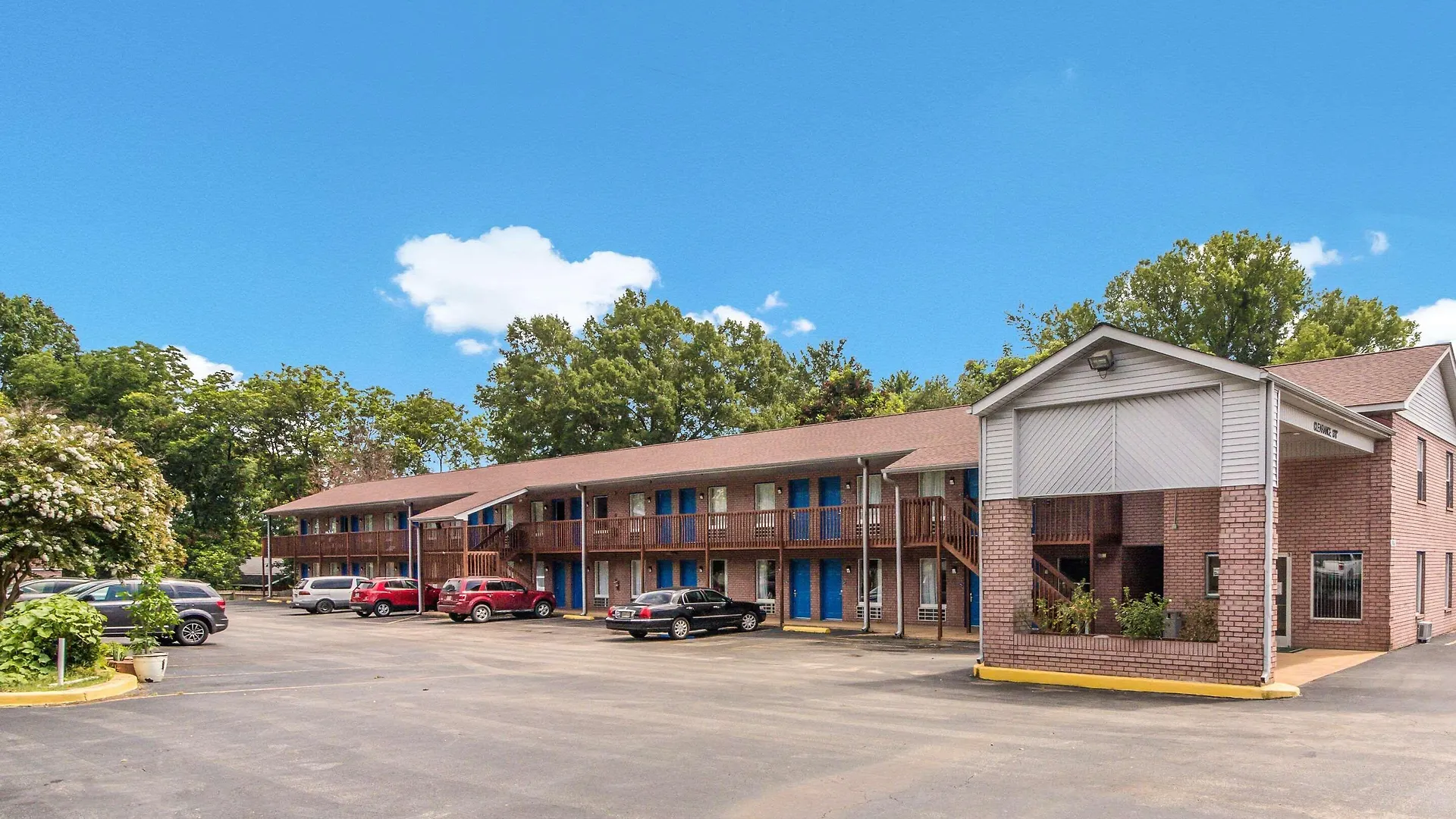
Tennessee's layered history - from Civil War battlegrounds and blues highways to country music landmarks and antebellum architecture - makes it one of the most compelling states in the American South for travelers who want their accommodation to reflect the place they're visiting. These four hotels span the state's smaller historic towns, each positioned near a distinct slice of Tennessee's past, from the cotton-country roads of Bolivar to the university corridors of McKenzie.
What It's Like Staying in Tennessee
Tennessee runs on a slower rhythm than its reputation suggests. Outside Nashville and Memphis, the state is deeply rural, with small towns separated by stretches of farmland, forest, and two-lane highways. Driving is non-negotiable in West Tennessee - public transit is essentially absent once you leave the major urban cores. Travelers who plan road trips across the state's historic corridor towns will find that distances between key sites can easily reach 80 miles or more, so accommodation placement matters.
Crowds concentrate heavily in Nashville during spring and fall music festival seasons, while the rest of the state remains relatively uncrowded year-round. Tennessee suits history-focused travelers, road trippers, outdoor enthusiasts, and anyone drawn to authentic Southern culture without the price tag of a major tourist city. Those seeking walkable urban experiences or frequent public transport connections will find the smaller towns limiting.
Pros:
- Rich, accessible historical depth across multiple eras and regions of the state
- Significantly lower accommodation costs compared to Nashville city center
- Minimal crowds at most historic sites outside the major metro areas
Cons:
- A car is essential - most historic towns have no rideshare or transit infrastructure
- Dining and evening entertainment options are limited in rural West Tennessee towns
- Some smaller communities have limited accommodation variety beyond basic roadside inns
Why Choose Historic Hotels in Tennessee
Historic hotels in Tennessee's smaller towns typically occupy properties that have served travelers on regional highways for decades, many dating to the mid-20th century motor lodge era that defined roadside America. Unlike boutique urban hotels, these properties tend to offer generous parking, ground-floor room access, and proximity to local landmarks that larger chain hotels bypass entirely. Rates in historic corridor towns average around $90 per night, often undercutting comparable Nashville properties by more than half.
The trade-off is room size and amenity depth - historic properties in towns like Bolivar or Henderson prioritize function over design. You won't find spa services or rooftop bars, but you will find independence: most rooms include microwaves, refrigerators, and in-room coffee, making self-sufficient stays practical for multi-day road trips. Travelers choosing these hotels gain immediate access to state parks, Civil War sites, and university towns that larger chain clusters around interstate exits simply don't serve.
Pros:
- Positioned within walking distance or short drives of genuine historic and cultural sites
- Rooms consistently include practical amenities like microwaves, refrigerators, and free parking
- Continental breakfast included at several properties, reducing daily travel costs
Cons:
- Room design and finishes reflect functional rather than atmospheric historic character
- On-site dining is absent at most properties - guests rely on local restaurants
- Seasonal outdoor pools at select properties are unavailable in cooler months
Practical Booking & Area Strategy
West Tennessee's historic town corridor - stretching through Bolivar, Henderson, and McKenzie - sits along the old highway networks that predate the interstate system, and that geography is the key to understanding where to base yourself. Bolivar anchors the southwestern stretch, placing you within an hour of both Memphis's historic Beale Street district and the McNairy County area associated with Buford Pusser's Walking Tall legacy. Henderson positions travelers at the doorstep of Chickasaw State Park, one of Tennessee's most undervisited state parks, and puts Freed-Hardeman University's historic campus within a 15-minute walk. McKenzie, further north, sits near the Land Between the Lakes recreational corridor, around 30 miles away, and gives access to Bethel University, one of Tennessee's oldest institutions.
For travelers planning a loop through West Tennessee's historic sites, positioning yourself in Henderson or McKenzie midweek avoids any weekend leisure traffic that concentrates in the Natchez Trace corridor. Book at least 3 weeks ahead if traveling during the fall foliage season in October, when state park lodging and nearby properties fill quickly. The Bellevue/Nashville I-40 West corridor offers a strategic alternative for travelers who want proximity to Nashville's historic sites - the Ryman Auditorium, Johnny Cash Museum, and Vanderbilt University campus - while avoiding downtown parking costs and higher nightly rates.
Best Value Stays
These properties offer the strongest combination of location access, practical in-room amenities, and low nightly cost for travelers moving through Tennessee's historic small-town corridor.
-
1. Rodeway Inn Bolivar
Show on map


 Check-infrom 14:00 until 23:59Check-outuntil 11:00
Just a few rooms left at the best rate!
fromUS$ 70
-
2. Americana Inn
Show on map


 Check-infrom 15:00 until 23:59Check-outuntil 11:00
Just a few rooms left at the best rate!
fromUS$ 69
Best Premium Stays
These properties offer expanded amenities, stronger positioning near major Tennessee landmarks, or a higher level of facilities that justify a step up in nightly rate for travelers who want more from their Tennessee base.
-
3. Best Western - Mckenzie
Show on map


 Check-infrom 15:00 until 23:59Check-outuntil 11:00
Hurry – almost gone at this price!
fromUS$ 74
-
4. Hampton Inn Bellevue / Nashville-I-40-West
Show on map


 Check-infrom 15:00 until 23:00Check-outuntil 11:00
Rooms filling fast – secure the best rate!
fromUS$ 109
Smart Travel & Timing Advice for Tennessee
Tennessee's travel calendar splits clearly between its high-demand urban season and its quieter rural window. Nashville experiences its strongest booking pressure during the Country Music Marathon in late April and the CMA Fest in June, when Downtown and I-40 corridor properties like Bellevue fill rapidly and nightly rates spike by around 40% above baseline. Book Nashville-adjacent properties at least 6 weeks ahead for any travel between April and June. The rural West Tennessee corridor - Bolivar, Henderson, and McKenzie - operates on a gentler seasonal curve, with October being the only month where demand noticeably increases due to fall foliage along the Chickasaw and Land Between the Lakes corridors.
For most historic site itineraries in West Tennessee, 2 nights per base town gives sufficient time to cover the key landmarks without rushing. Shoulder season - late September and early November - offers the best combination of mild temperatures, reduced crowds at state parks, and stable nightly rates across all four property types in this guide. Last-minute booking in rural Tennessee is generally low-risk outside October, but travelers targeting the Hampton Inn Bellevue corridor during Nashville event weekends should not rely on availability within 2 weeks of arrival.


