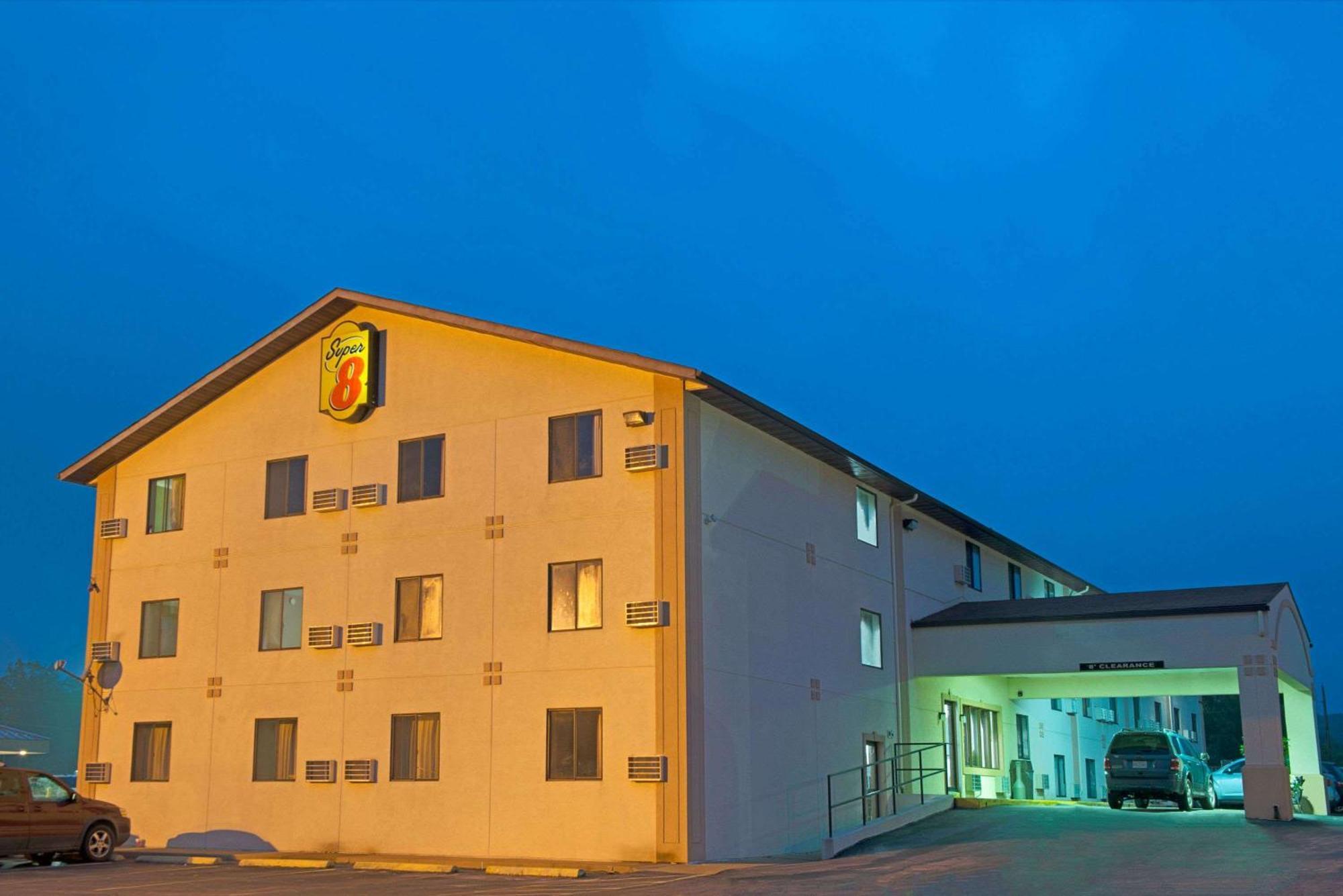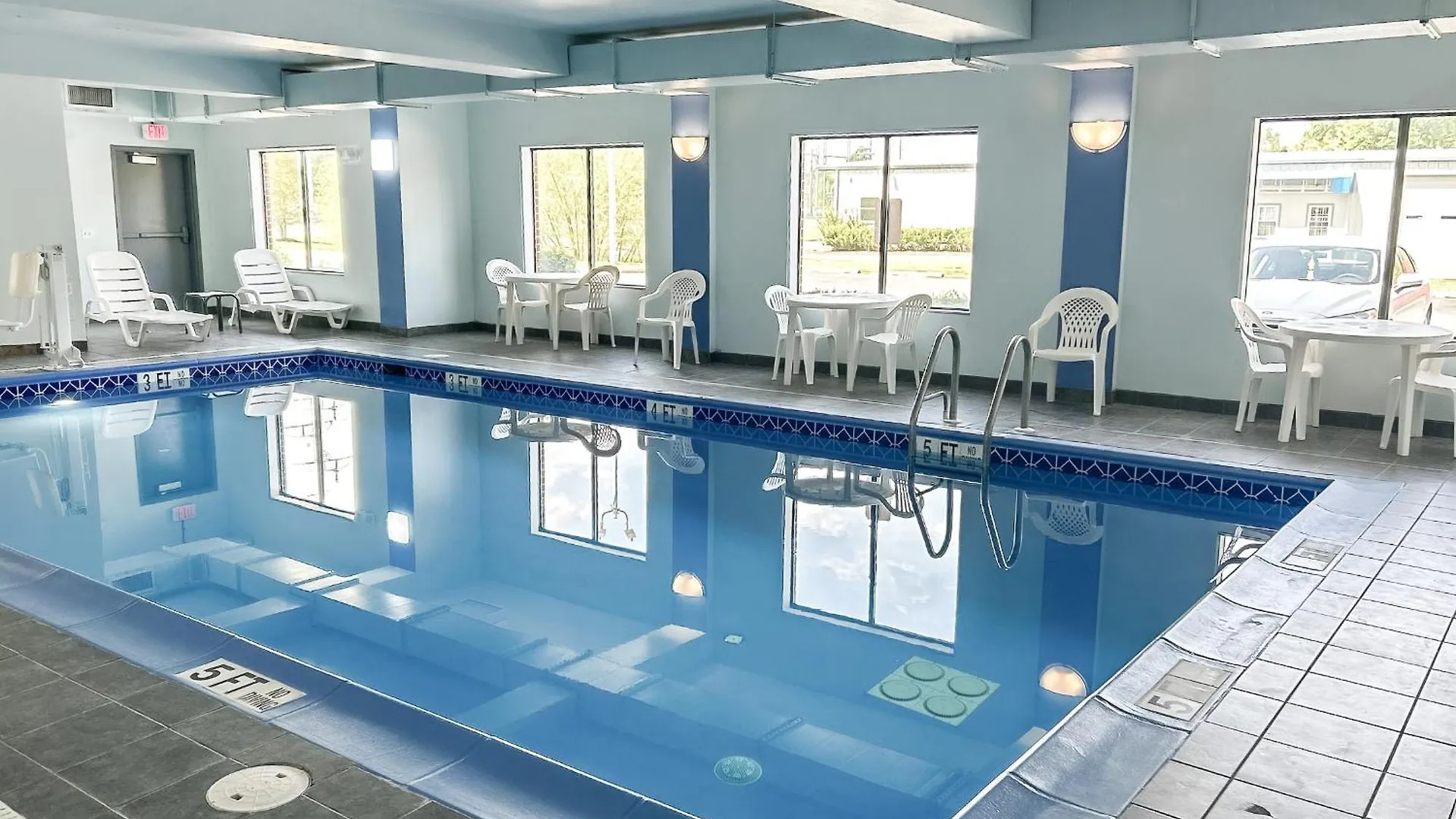
Maryland packs an unusual variety into a compact geography - Chesapeake Bay islands, Eastern Shore waterfronts, historic small cities, and interstate highway corridors all within a few hours of each other. Whether you're driving through on I-95, exploring Dorchester County's wildlife refuges, or unwinding on the Eastern Shore, the right hotel makes a measurable difference in how the trip actually feels. This guide covers six hotels across Maryland's most visited corridors to help you book strategically.
What It's Like Staying in Maryland
Maryland's lodging landscape reflects its geography: the state stretches from the Atlantic Ocean at Ocean City through the flat farmlands of the Eastern Shore, across the Chesapeake Bay, and into the Appalachian foothills near Frederick. Most visitors cluster along the I-95 corridor between Baltimore and the Delaware border, or head east toward the Chesapeake Bay and Ocean City. Unlike states with one dominant tourist hub, Maryland spreads its traffic across several distinct regions, which means crowd density varies significantly depending on where and when you stay.
The Eastern Shore runs at a slower pace - Cambridge, Tilghman Island, and the surrounding waterways draw anglers, birders, and Chesapeake Bay enthusiasts rather than large tour groups. Ocean City, by contrast, becomes one of the Mid-Atlantic's most crowded beach destinations, with hotel occupancy climbing to around 95% during summer weekends.
Pros:
- Diverse geography means you can combine a beach stay, a bay retreat, and a historic town visit in one trip
- Strong interstate access (I-95, US-50) makes it easy to drive between regions without major time loss
- The Eastern Shore offers genuine waterfront character that larger Mid-Atlantic coastal destinations have largely lost
Cons:
- Summer weekends in Ocean City and along the Bay can push hotel rates up sharply and reduce availability
- Public transportation between Maryland's regions is limited - a car is essentially required outside Baltimore
- Some smaller Eastern Shore towns have minimal dining and nightlife options after 9 PM
Why Choose These Hotels in Maryland
The hotel options across Maryland span a practical spectrum - from nationally branded highway properties suited to business travelers and road-trippers, to waterfront boutique hotels on Chesapeake Bay islands built around a specific sense of place. Branded mid-range hotels along I-95 and US-50 typically price between $90 and $140 per night, while waterfront properties on the Eastern Shore and Ocean City beach hotels command premium rates, particularly from June through August. Room sizes tend to be generous by East Coast standards outside of Baltimore's urban core.
The key trade-off in Maryland is between location character and predictability. Branded chain hotels near highway exits offer consistent amenities, free parking, and complimentary breakfast - practical wins for travelers passing through or visiting regional attractions. Waterfront and boutique properties deliver atmosphere and proximity to the Bay or beach, but availability at peak times can tighten fast. Around 70% of Maryland's leisure travelers visit between Memorial Day and Labor Day, so booking lead time matters more for the coastal and bay-side options than for inland corridor properties.
Pros:
- Free parking is standard across nearly all Maryland hotels outside Baltimore, saving meaningful daily costs
- Mid-range branded hotels frequently include complimentary breakfast, reducing daily travel expenses
- Waterfront hotels on the Eastern Shore offer genuine bay and marina access unavailable in most Mid-Atlantic states
Cons:
- Peak summer rates at Ocean City and Tilghman Island can be significantly higher than comparable inland options
- Highway-adjacent hotels, while convenient, lack walkable dining or activity options in most locations
- Smaller boutique properties on the Eastern Shore have limited room inventory, making last-minute booking unreliable in season
Practical Booking & Area Strategy
Maryland's most visited corridors each serve different traveler needs. Cambridge and the Dorchester County area are best for wildlife-focused trips - Blackwater National Wildlife Refuge draws serious birders and photographers year-round, and the town's maritime museums add cultural depth to a short stay. Frederick, positioned at I-70 and I-270, works as a base for Civil War history exploration and day trips into the Blue Ridge foothills. Bel Air and the Harford County stretch of I-95 primarily serve travelers needing a practical stop between Philadelphia and Baltimore rather than a destination in its own right.
Ocean City is the state's most visited leisure destination, drawing around 8 million visitors annually - book at least 6 weeks ahead for any summer weekend. Tilghman Island on the Eastern Shore offers a contrasting experience: isolated, marina-centered, and genuinely quiet outside of crab season. US-50 east from Annapolis is the main artery to both Cambridge and Ocean City, with drive times of under 90 minutes from Washington D.C. to either destination. For travelers combining Baltimore with Eastern Shore sightseeing, the Bay Bridge crossing at Annapolis is the single most important route decision - avoid it on Friday afternoons between June and September when eastbound delays can stretch considerably.
Best Value Stays in Maryland
These properties offer reliable amenities, practical locations, and strong value for travelers focused on regional exploration rather than on-site resort experiences.
-
1. Comfort Inn & Suites Cambridge
Show on map


 Check-infrom 15:00 until 23:59Check-outuntil 11:00
Just a few rooms left at the best rate!
fromUS$ 114
-
2. Quality Inn & Suites Bel Air I-95 Exit 77A
Show on map


 Check-infrom 16:00 until 23:59Check-outuntil 10:00
Just a few rooms left at the best rate!
fromUS$ 149
-
3. Holiday Inn Express Cambridge By Ihg
Show on map


 Check-infrom 15:00 until 23:59Check-outuntil 11:00
Hurry – almost gone at this price!
fromUS$ 155
-
4. Cayman Suites Hotel
Show on map


 Check-infrom 16:00 until 23:00Check-outuntil 11:00
Hurry – almost gone at this price!
fromUS$ 114
Best Premium Stays in Maryland
These properties are defined by their setting and on-site experience rather than just their amenities - waterfront access, dining, and activity programming set them apart from standard Maryland hotel options.
-
5. Wylder Hotel - Tilghman Island
Show on map


 Check-infrom 16:00 until 20:00Check-outfrom 08:00 until 11:00
Rooms filling fast – secure the best rate!
fromUS$ 334
Smart Travel & Timing Advice for Maryland
Maryland's travel seasons divide sharply. June through August is peak season across Ocean City, Tilghman Island, and the Eastern Shore broadly - prices climb, availability tightens, and Bay Bridge traffic on Friday evenings can add over an hour to the US-50 drive east from Annapolis. Booking Ocean City and Eastern Shore hotels at least 6 weeks ahead for any summer weekend stay is the minimum safe margin; popular waterfront properties like Wylder Tilghman can sell out further in advance for holiday weekends.
Late September through October is the most underrated window for a Maryland Eastern Shore visit. Crab season runs strong through fall, temperatures are comfortable for outdoor activity, and hotel rates drop noticeably from their summer peaks while Blackwater National Wildlife Refuge reaches peak migratory bird activity. Frederick and the I-95 corridor hotels near Bel Air run at more stable pricing year-round given their business and transit demand base. A 2-night minimum stay captures the Eastern Shore's full rhythm - the drive from the DC metro area or Baltimore justifies at least two nights to make the trip worthwhile. For Ocean City, mid-week stays from Tuesday to Thursday consistently offer better rates and meaningfully thinner crowds than Friday-to-Sunday bookings throughout the summer season.