
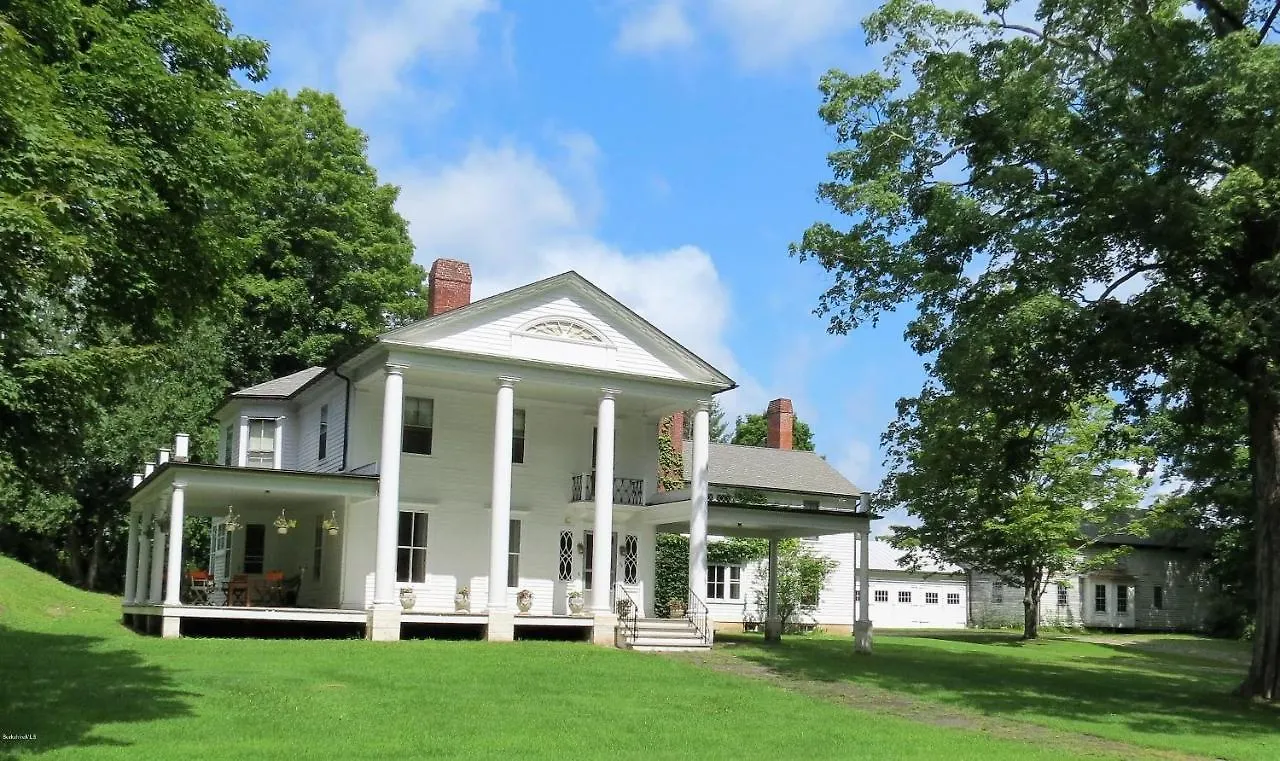
New England's bed and breakfast scene is one of the most distinctive in the United States, with historic inns, working farm properties, and waterfront guesthouses spread across six states. Whether you're planning a fall foliage trip through the Berkshires, a coastal escape in Maine, or a cultural weekend near Tanglewood, the right B&B can anchor your entire itinerary. This guide covers 8 carefully selected B&B hotels across New England - from Great Barrington to Caribou, Cape Cod to Augusta - with concrete details to help you book with confidence.
What It's Like Staying in New England
New England rewards slow travelers. The region spans over 71,000 square miles across Connecticut, Rhode Island, Massachusetts, Vermont, New Hampshire, and Maine, meaning that distances between destinations are real - driving from Boston to Bar Harbor takes around 5 hours. Public transport between smaller towns is limited, so most B&B guests arrive by car, and free parking at your accommodation genuinely matters. Crowd patterns vary sharply: coastal Maine and the Berkshires fill up fast from late September through mid-October when fall foliage peaks, while inland towns like Augusta or Caribou remain manageable year-round.
Staying in a New England B&B places you closer to the character of each town - clapboard homes, farmland, historic downtowns - in a way chain hotels simply don't. Breakfast is included at most properties, which adds meaningful value given the sparse dining options in rural areas before 9am.
Pros:
- Free parking is standard at nearly all New England B&Bs, eliminating a cost that adds up quickly in cities like Boston or Portland
- Included breakfast is especially practical in rural towns where morning dining options are limited or require a 15-minute drive
- Properties are typically owner-operated, meaning local knowledge about hiking trails, seasonal events, and off-menu restaurants is genuinely useful
Cons:
- Most B&Bs require a car - arriving without one in towns like Caribou or Great Barrington significantly limits mobility
- Minimum stay requirements of 2 nights are common during peak foliage and summer weekends, reducing flexibility
- Smaller properties fill months in advance during October, leaving last-minute bookers with limited options
Why Choose a Bed & Breakfast in New England
New England B&Bs occupy a specific niche that neither budget motels nor full-service hotels can replicate: they combine genuine local architecture - Federal-style homes, converted farmhouses, Victorian guesthouses - with a level of personal hospitality that is structurally built into the format. Rates at New England B&Bs typically run around 20% lower than comparable boutique hotels in the same town, while offering more character and often larger room footprints. In agricultural areas like the Berkshires or central Maine, some properties also include access to outdoor spaces - gardens, picnic areas, working farms - that no urban hotel can match.
The trade-off is real: rooms are fewer (most properties have under 10 units), check-in windows are strict, and amenities like 24-hour reception or on-site restaurants are rare. Allergy-free rooms, spa access, and EV charging stations do exist at select properties, but they require careful filtering when booking. For couples, solo travelers, and small families seeking regional immersion over branded convenience, the B&B format consistently outperforms alternatives in New England.
Pros:
- Included full breakfast - often featuring local specialities and fresh pastries - removes one meal cost from a daily budget without sacrificing quality
- Properties in rural New England often provide direct access to hiking, canoeing, and fishing without driving to a trailhead
- Owner-operated inns frequently offer spa facilities, hot tubs, or saunas at no extra charge, a rare value at this price point
Cons:
- Limited units mean availability disappears fast, particularly in coastal Maine and the Berkshires during peak season
- No 24-hour front desk at most properties makes late-night arrivals logistically complicated without prior coordination
- Room variability within the same property is high - two rooms can differ significantly in size, light, and noise level depending on placement
Practical Booking & Area Strategy for New England B&Bs
New England's B&B geography divides into three practical clusters worth understanding before booking. The Berkshires cluster - centered on Great Barrington and Stockbridge in western Massachusetts - positions guests within easy reach of Tanglewood, the Norman Rockwell Museum, and the Appalachian Trail, but foliage season in October drives occupancy to near 100%, so booking around 8 weeks ahead is standard. The coastal Maine cluster - spanning Boothbay Harbor, Portland, and Caribou - trades cultural landmarks for Atlantic scenery, with Acadia National Park drawing the heaviest crowds in July and August. Central Maine towns like Augusta offer a quieter base, with the State Capitol, Old Fort Western, and Pine Tree State Arboretum all within 12 km of accommodation. On Cape Cod, Provincetown sits at the peninsula's tip - around 2 hours from Boston - and operates as both a summer resort town and a year-round arts community, with B&Bs here typically commanding a premium from June through August.
For transport, most New England B&Bs are car-dependent, though Provincetown has seasonal ferry service from Boston that eliminates the traffic-heavy Route 6 drive. Augusta State Airport and Northern Maine Regional at Presque Isle Airport serve inland Maine travelers, reducing overland driving time considerably for those flying in from out of state.
Best Value B&B Stays in New England
These properties combine strong location credentials, included breakfast, and practical amenities at a price point that represents genuine value across their respective New England markets.
-
1. Granville House
Show on map


 Check-infrom 15:00 until 18:00Check-outuntil 11:00
Just a few rooms left at the best rate!
fromUS$ 200
-
2. Old Iron Inn Bed And Breakfast
Show on map


 Check-infrom 15:00 until 20:00Check-outuntil 10:00
Just a few rooms left at the best rate!
fromUS$ 125
-
3. Long Dell Inn
Show on map


 Check-infrom 15:00 until 18:00Check-outuntil 11:00
Just a few rooms left at the best rate!
fromUS$ 239
-
4. Harbour Towne Inn On The Waterfront
Show on map


 Check-infrom 15:00 until 19:00Check-outuntil 10:00
Hurry – almost gone at this price!
fromUS$ 217
Best Premium B&B Stays in New England
These properties offer elevated amenities, standout settings, or distinctive experiences that justify a higher rate within the New England B&B market.
-
5. Maple Hill Farm Inn
Show on map


 Check-infrom 15:00 until 20:00Check-outfrom 06:00 until 11:00
Hurry – almost gone at this price!
fromUS$ 312
-
6. Stockbridge Country Inn (Adults Only)
Show on map


 Check-infrom 15:00 until 19:30Check-outuntil 11:00
Hurry – almost gone at this price!
fromUS$ 402
-
7. Thornhedge Inn
Show on map


 Check-infrom 14:00 until 20:00Check-outuntil 11:00
Rooms filling fast – secure the best rate!
fromUS$ 473
-
8. Prince Albert Guest House, Provincetown
Show on map


 Check-infrom 15:00 until 23:59Check-outuntil 11:00
Rooms filling fast – secure the best rate!
fromUS$ 316
Smart Travel & Timing Advice for New England B&Bs
Fall foliage season - mid-September through mid-October - is the single most competitive booking period across all of New England, with Berkshires and coastal Maine properties regularly selling out 10 weeks in advance. Rates during this window can run around 35% higher than the same room in early September, making a late August or early November visit a meaningful cost lever. Summer in coastal Maine and Cape Cod peaks from late June through Labor Day, with Provincetown and Boothbay Harbor seeing the heaviest pressure in July - booking a minimum of 6 weeks ahead is realistic for waterfront properties during this period.
For shoulder-season travelers, May and early June offer mild temperatures, open properties, and significantly better availability, particularly in the Berkshires where cultural venues like Tanglewood open their season in late June. A 2-night minimum is the practical floor for most New England B&B stays - it allows one full day of exploration without the rushed logistics of a single-night turnaround, and many properties enforce it anyway during peak weekends. Winter travel to inland Maine and the Berkshires appeals to guests seeking quiet and discounted rates, though some smaller B&Bs operate seasonally and close between November and April - confirming winter availability directly before booking is essential.


