
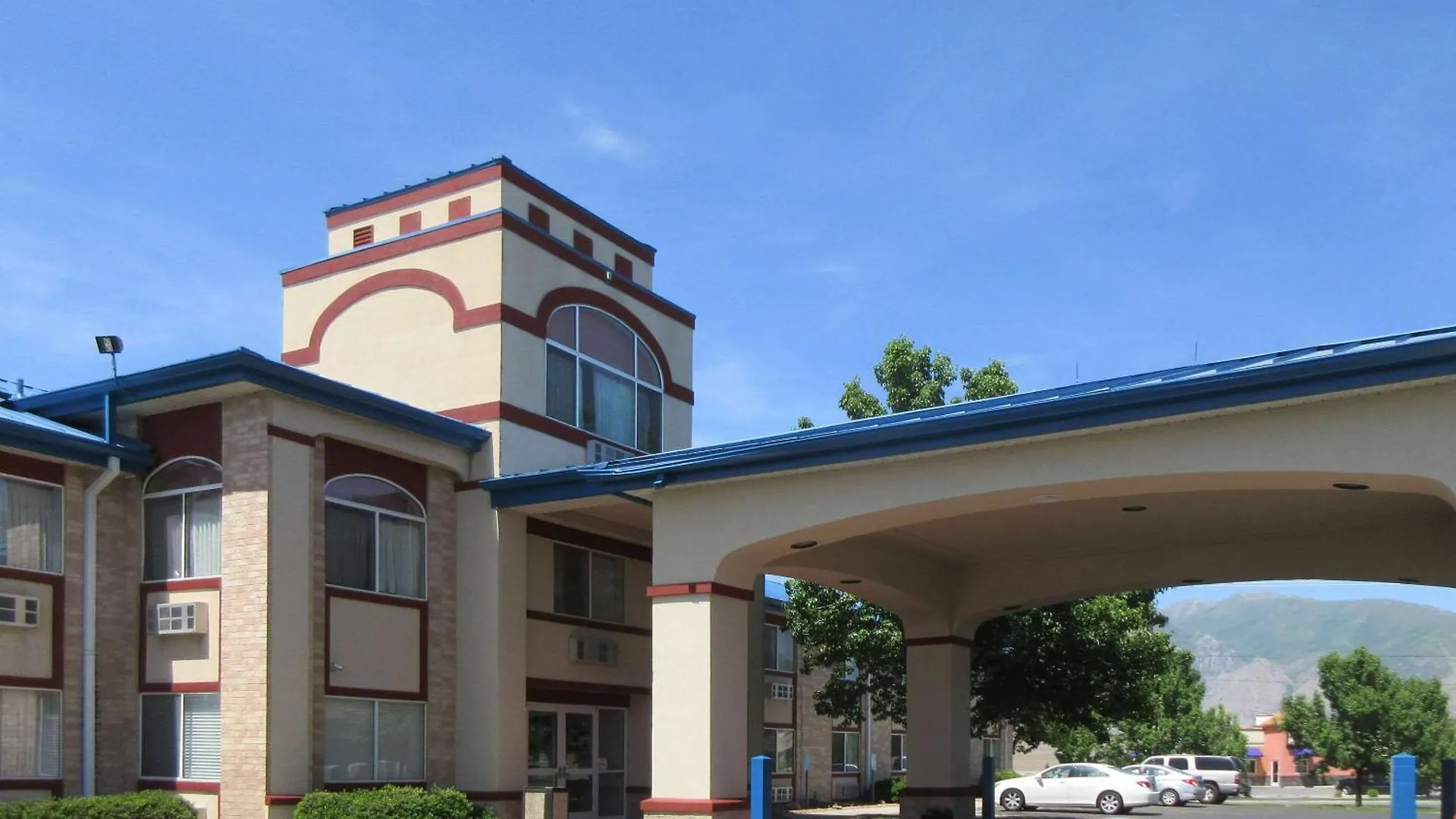
Utah is one of the most geographically diverse states in the American West, home to five national parks, vast desert landscapes, and cities like Salt Lake City that serve as practical hubs for regional exploration. Inn hotels across Utah offer a pragmatic, value-driven alternative to chain resorts - typically including free breakfast, free parking, and straightforward amenities that suit both road-trippers and short-stay visitors. Whether you're using Salt Lake City as a base or positioning yourself near Bryce Canyon or Dinosaur National Monument, Utah's inns cover key corridors without the inflated pricing of resort-style lodging.
What It's Like Staying in Utah
Utah's travel rhythm is shaped almost entirely by its natural landmarks - most visitors are moving between destinations rather than settling in one city, making location strategy critical when choosing where to stay. A personal vehicle is essentially non-negotiable in Utah; public transit exists in Salt Lake City but disappears entirely once you head toward canyon country. Crowd density peaks sharply between May and September, especially around Zion, Bryce Canyon, and Arches, while Salt Lake City itself maintains steadier year-round traffic tied to business travel and the University of Utah.
Pros:
Unmatched access to five national parks within a single state, making Utah ideal for multi-destination road trips
Inn hotels across Utah almost universally offer free parking, a major practical advantage for car-dependent itineraries
Strong value density - budget-friendly accommodation options are available even in high-demand corridor towns like Panguitch or Vernal
Cons:
Rural inn locations can mean limited dining options within walking distance, especially outside Salt Lake City
Peak summer bookings near Bryce Canyon and Canyonlands fill up weeks in advance, limiting last-minute flexibility
Some smaller Utah towns offer very little nightlife or urban amenity, which can feel isolating for non-outdoor travelers
Why Choose Inn Hotels in Utah
Inn hotels in Utah consistently deliver a practical combination of included breakfast, free parking, and workable room sizing that suits the state's road-trip-heavy traveler profile. Nightly rates at Utah inns typically run around 40% lower than comparable full-service hotel brands in the same corridors, making them a smart base for multi-night stays near national parks. Unlike resort-style properties concentrated in gateway towns, inns are distributed across key transit corridors - from the Wasatch Front to southeastern canyon country - giving travelers more flexibility in how they structure their itinerary.
Pros:
Free breakfast inclusion reduces daily travel costs significantly on multi-day itineraries
Free parking at virtually all Utah inn properties eliminates a friction point common in urban hotel stays
Locations in smaller towns like Spanish Fork, Lehi, and Monticello place guests within direct driving range of major attractions without resort-town pricing
Cons:
Room sizes at 2-star inns can be compact, with limited space for families carrying substantial gear
Amenity depth varies sharply - some inns offer pools and fitness centers, while others are purely functional
Business center and meeting facilities, where available, are typically basic and unsuited for extended remote work needs
Practical Booking & Area Strategy
Salt Lake City is the most logistically flexible base in Utah - Salt Lake City International Airport connects to the city center in under 20 minutes by car, and from there you can reach Provo, Lehi, or West Valley in under 30 minutes. For travelers targeting southern Utah parks, Panguitch sits roughly 20 miles from Bryce Canyon's entrance and is the most practical overnight stop before or after a park day. Vernal, in the northeast, is the primary gateway to Dinosaur National Monument and is underserved by accommodation options, making early booking essential. Monticello, in the southeast, offers a quiet base within driving distance of both Canyonlands National Park (around 48 miles) and Natural Bridges National Monument. Book at least 6 weeks ahead for May through September stays near any national park corridor - availability in towns like Panguitch drops sharply once summer shoulder season begins, and rates climb accordingly.
Best Value Inn Stays
These inns deliver strong practical value across key Utah corridors, combining included breakfast, free parking, and functional amenities at rates well below full-service hotels in the same areas.
-
1. Quality Inn Spanish Fork North
Show on map


 Check-infrom 14:00 until 23:59Check-outuntil 11:00
Just a few rooms left at the best rate!
fromUS$ 60
-
2. Comfort Inn West Valley - Salt Lake City South
Show on map


 Check-infrom 15:00 until 23:59Check-outuntil 11:00
Just a few rooms left at the best rate!
fromUS$ 112
-
3. The Atomic Blue Motor-Inn
Show on map


 Check-infrom 15:00 until 22:00Check-outuntil 11:00
Just a few rooms left at the best rate!
fromUS$ 40
-
4. Comfort Inn Lehi - Thanksgiving Point Area
Show on map


 Check-infrom 15:00 until 23:59Check-outuntil 11:00
Hurry – almost gone at this price!
fromUS$ 118
Best Premium Inn Options
These inns offer enhanced location advantages, stronger amenity sets, or gateway positioning near Utah's most visited landmarks - justifying slightly higher nightly rates for travelers who prioritize access and included services.
-
1. Quality Inn Panguitch Near Bryce Canyon
Show on map


 Check-infrom 15:00 until 23:59Check-outuntil 11:00
Hurry – almost gone at this price!
fromUS$ 55
-
2. Quality Inn Vernal Near Dinosaur National Monument
Show on map


 Check-infrom 15:00 until 23:59Check-outuntil 11:00
Rooms filling fast – secure the best rate!
fromUS$ 49
-
3. Quality Inn Salt Lake City Downtown
Show on map


 Check-infrom 15:00 until 23:59Check-outuntil 11:00
Rooms filling fast – secure the best rate!
fromUS$ 56
Smart Travel & Timing Advice for Utah Inn Stays
Utah's national park corridors follow one of the most predictable seasonal demand curves in the American West - crowds and prices peak hard between June and August, particularly around Bryce Canyon, Zion, and Arches. Booking inn accommodation in gateway towns like Panguitch or Moab at least 8 weeks ahead during summer is not optional - available rooms disappear rapidly once school holidays begin. The shoulder months of April, May, September, and October offer the best balance of accessible weather, manageable crowds, and lower rates - with nightly inn prices dropping noticeably compared to peak summer. Salt Lake City inns operate on a more stable year-round pricing pattern tied to conference calendars and university schedules, so checking the Salt Palace Convention Center event calendar before booking downtown can help avoid unexpected rate spikes. Most Utah inn stays make most sense at 2 nights minimum when positioned near a national park, as single-night stays rarely allow enough time to explore even one park properly. Last-minute bookings in rural Utah are genuinely high-risk - smaller towns have limited total room inventory, and sold-out nights have no nearby fallback options.


