
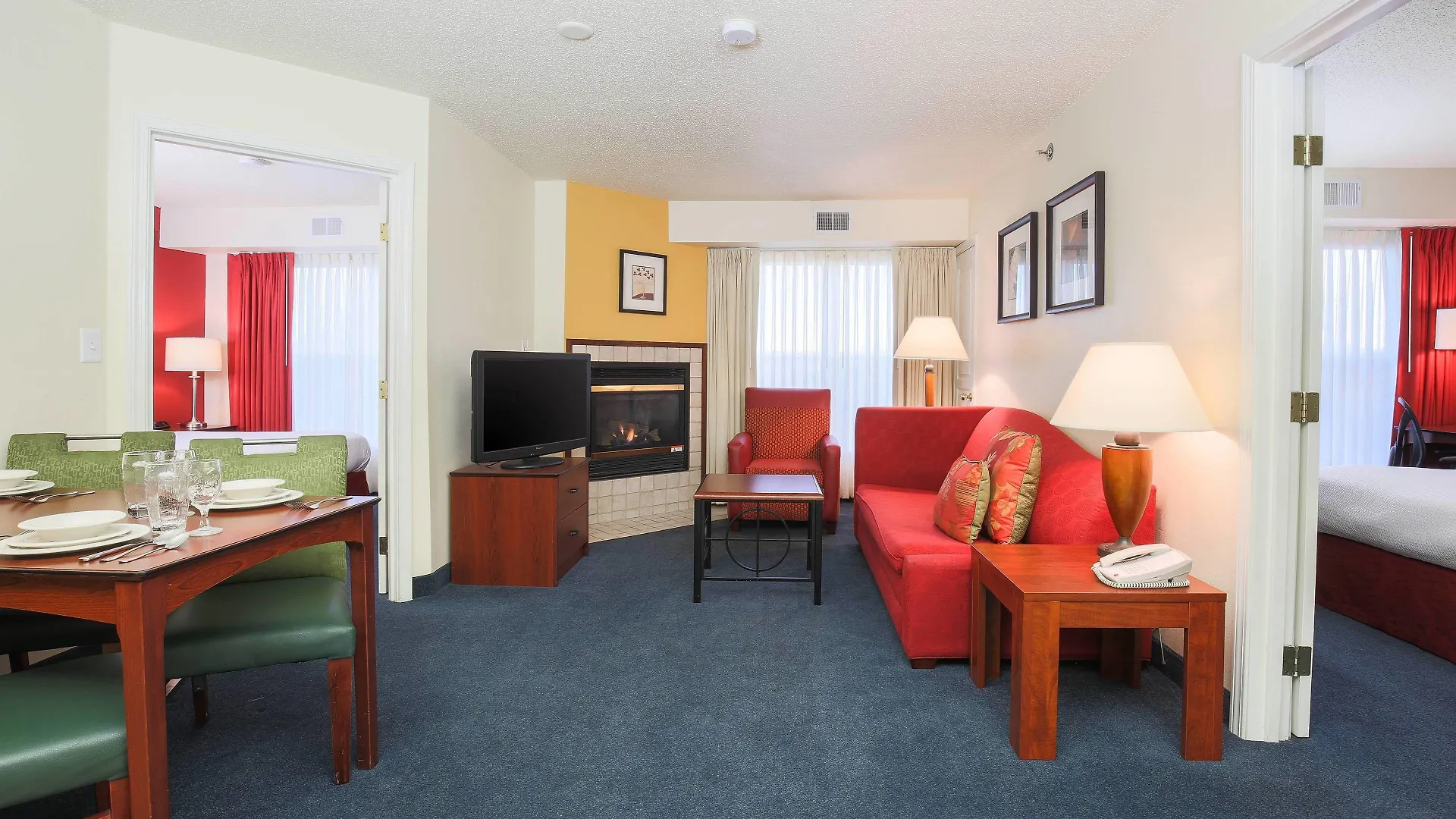
The Midwest spans a vast stretch of the United States - from the Great Lakes shores of Michigan and Wisconsin to the plains of Kansas and Iowa - making hotel location a genuinely strategic decision. Residence Inn by Marriott properties are built around extended-stay logic: full kitchens, indoor pools, and breakfast included, which makes them a practical anchor for business travelers, relocating families, and road-trippers covering multiple states. This guide breaks down 11 Residence Inn locations across the Midwest so you can match the right property to your actual itinerary.
What It's Like Staying in the Midwest
The Midwest is defined by its sheer geographic spread - distances between cities like Green Bay, Des Moines, Louisville, and Kansas City can exceed several hundred miles, making a car essential for nearly every itinerary. Driving culture dominates here, and most hotels outside downtown cores provide free on-site parking, which is a real cost advantage over coastal cities. Crowd patterns vary sharply: urban centers like Chicago's North Shore or downtown Green Bay attract weekend visitors, while suburban hubs like Woodbury, MN or Overland Park, KS stay consistently quieter year-round.
Business travelers benefit most from the Midwest's hotel infrastructure - properties are typically larger, parking is free, and rates are more stable than in gateway cities. Leisure travelers looking for dense urban sightseeing or walkable neighborhoods may find some suburban locations less convenient without a rental car. Families and extended-stay guests consistently get the best value from this region's hotel market.
Pros:
Free on-site parking is standard at most Midwest Residence Inn locations, eliminating a cost that can reach around $50 per night in major metros
Lower nightly rates compared to equivalent extended-stay properties in coastal markets, with more room space per dollar
Strategic interstate access makes multi-city Midwest road trips logistically straightforward from most properties
Cons:
Most locations require a car - walkability scores in suburban Midwest markets are low, and rideshare availability can be limited late at night
Dining and entertainment options within walking distance of suburban properties are often limited to chain restaurants
Seasonal weather in the Midwest, particularly from November through March, can significantly affect travel plans and driving conditions
Why Choose Residence Inn Hotels in the Midwest
Residence Inn properties are engineered for stays of several nights or longer - every room includes a fully equipped kitchen with a fridge, dishwasher, and stovetop or microwave, which is a meaningful budget lever when you're spending more than two nights in one city. Across the Midwest, this brand consistently delivers around 20% more room square footage than a standard hotel room at a comparable price point, which matters when traveling with family or working remotely. Hot breakfast is included at every Residence Inn location in this guide, removing a daily expense that adds up quickly on longer trips.
Compared to independent extended-stay hotels in the Midwest, Residence Inn properties offer more consistent quality control, Marriott Bonvoy points accrual, and reliable amenities like indoor pools and fitness centers - particularly valuable during cold Midwest winters when outdoor options are limited. The trade-off is that locations are primarily suburban, so guests prioritizing walkable city access may need to plan for daily driving. Indoor pools and hot tubs are present at most locations, a practical amenity during colder months when outdoor recreation isn't viable.
Pros:
Full kitchens in every room reduce food costs significantly on multi-night stays - a major advantage for families and long-term business travelers
Inclusive hot breakfast across all locations adds tangible daily value without requiring guests to seek out morning dining options
Indoor pools and fitness centers are consistently available, making these hotels functional regardless of Midwest seasonal weather
Cons:
Suburban positioning means most properties require a car for dining, shopping, and attractions - there is little spontaneous walkability
The extended-stay format means common areas and lobbies are more functional than atmospheric, with limited fine dining or bar service on-site
Properties in smaller Midwest markets like Topeka or Merrillville offer fewer nearby entertainment options compared to metro-adjacent locations
Practical Booking & Area Strategy for the Midwest
Positioning matters significantly across the Midwest because distances are real - a hotel in Overland Park, KS is around 29 km from downtown Kansas City's major attractions, while the Green Bay Downtown location puts you under 5 km from Lambeau Field, one of the most visited sports destinations in the entire region. For travelers targeting Chicago-area access, the Wilmette/Skokie property sits 19 km from O'Hare International Airport and offers a suburban buffer from city-center pricing. The Twin Cities property in Woodbury is around 26 km from Minneapolis-Saint Paul International Airport, making it a logical landing point for travelers with a rental car who plan to explore both Minneapolis and St. Paul.
Book at least 6 weeks ahead for stays during peak periods - Green Bay during Packers home games, Louisville around the Kentucky Derby in May, and Chicago-adjacent properties during summer festival season all see sharp rate increases and reduced availability. For business-focused trips to Des Moines, Topeka, or Sterling Heights, last-minute bookings are generally more feasible as corporate demand dominates weekdays and drops on weekends. The Midwest's most popular attractions include Lambeau Field, the Mall of America, Louisville Mega Cavern, Wrigley Field, and the National World War I Museum in Kansas City - each of these has a Residence Inn property within practical driving distance. Ankeny near Des Moines and Columbus, Indiana represent the best value entry points, with quieter surroundings and reliable highway access to larger metro hubs.
Best Value Stays
These properties offer strong extended-stay fundamentals - full kitchens, included breakfast, and indoor pools - in locations where nightly rates are more accessible and free parking is a given. Best suited for road-trippers, families, and business travelers who need a functional base without paying metro-core premiums.
-
1. Residence Inn By Marriott Flint Grand Blanc
Show on map


 Check-infrom 15:00 until 23:59Check-outuntil 12:00
Best price guarantee
fromUS$ 139
-
2. Residence Inn Topeka
Show on map


 Check-infrom 15:00 until 23:59Check-outuntil 12:00
Best price guarantee
fromUS$ 84
-
3. Residence Inn Merrillville
Show on map


 Check-infrom 15:00 until 23:59Check-outuntil 12:00
Rooms filling fast – secure the best rate!
fromUS$ 116
-
4. Residence Inn By Marriott Des Moines Ankeny
Show on map


 Check-infrom 16:00 until 23:59Check-outuntil 12:00
Just a few rooms left at the best rate!
fromUS$ 196
-
5. Residence Inn By Marriott Columbus
Show on map


 Check-infrom 15:00 until 23:59Check-outuntil 12:00
Just a few rooms left at the best rate!
fromUS$ 199
-
6. Residence Inn By Marriott Detroit Sterling Heights
Show on map


 Check-infrom 15:00 until 23:59Check-outuntil 11:00
Best price guarantee
fromUS$ 267
Best Premium Picks
These properties combine stronger location credentials - closer proximity to major landmarks, airports, or urban centers - with a fuller amenity set including indoor pools, business centers, and on-site bars or concierge services. Best suited for travelers who need reliable infrastructure and are willing to pay a modest premium for better positioning within their target Midwest city.
-
7. Residence Inn Louisville Northeast
Show on map


 Check-infrom 15:00 until 23:59Check-outuntil 12:00
Rooms filling fast – secure the best rate!
fromUS$ 139
-
8. Residence Inn By Marriott Chicago Wilmette/Skokie
Show on map


 Check-infrom 16:00 until 23:59Check-outuntil 12:00
Hurry – almost gone at this price!
fromUS$ 218
-
9. Residence Inn By Marriott St. Paul Woodbury
Show on map


 Check-infrom 16:00 until 23:59Check-outuntil 12:00
Best price guarantee
fromUS$ 172
-
10. Residence Inn By Marriott Green Bay Downtown
Show on map


 Check-infrom 16:00 until 23:59Check-outuntil 12:00
Just a few rooms left at the best rate!
fromUS$ 179
-
11. Residence Inn Kansas City Overland Park
Show on map


 Check-infrom 15:00 until 23:59Check-outuntil 12:00
Hurry – almost gone at this price!
fromUS$ 159
Smart Travel & Timing Advice for Midwest Residence Inn Stays
The Midwest has distinct seasonal demand patterns that directly affect pricing and availability across these 11 properties. Summer (June-August) is peak season across most locations - Green Bay sees sharp rate spikes during Packers preseason and home games, Louisville fills quickly around the Kentucky Derby in early May, and Chicago-adjacent properties like Wilmette/Skokie experience elevated demand throughout the summer festival and baseball season. Book these specific locations at least 8 weeks in advance for summer travel to secure standard rates.
The best-value window across most Midwest Residence Inn locations is September through October - weather remains comfortable, summer crowds have cleared, and rates drop noticeably in markets like Topeka, Merrillville, and Ankeny where leisure demand is lower. For the Des Moines and Columbus, Indiana properties, weekends are consistently quieter than weekdays due to their business-travel orientation, meaning leisure travelers can often find better availability and lower weekend rates. Winter stays (November-February) require car-readiness - ice and snow conditions across Michigan, Wisconsin, Minnesota, and Iowa can disrupt driving plans, and travelers relying on rideshare services may face limited availability in suburban markets. A minimum stay of two to three nights maximizes the value of the included kitchen and breakfast across all Residence Inn properties; single-night stays underutilize the format's core advantages and rarely represent the best rate-per-night value.


